What exactly is a Mainframe computer?
Mainframe computers are computers that process large quantities of data
in very short periods of time.
1. The 30 second answer
A Mainframe is the computer that runs the world's money without anyone noticing.
Every time you swipe a card, book a flight, or get paid on time, there's a good chance a Mainframe
did the real work quietly, in the background, and has been for decades.
2. The bigger picture
A Mainframe isn't built to be fast for one person,
it's built to never fail for millions of them. These machines handle the transactions a business absolutely
cannot afford to lose: bank transfers, insurance claims, airline reservations, payroll.
Most of the world's banking still runs on Mainframes today, and has for longer than most of the people using it have been alive.
What makes them remarkable isn't raw horsepower, it's continuity.
A modern IBM Z system can still run code written in the 1960s.
Nothing else in computing has held that kind of backward compatibility across six decades of hardware change.
The whole point of a Mainframe is that you never see it working. It's supposed to just run, quietly, correctly,
for decades, and when it does its job right, nobody outside the data center ever knows it was there.
3. Why Mainframes matter to me
I spent over three decades of my working life inside machines
most people will never see and wouldn't recognize if they did. I started as a tape cleaner at Dow Chemical in 1975, learned VSE and MVS the hard way,
spent years at IBM being the guy who got called when NCCF or Netview broke at 2 a.m., and I turned off my last Mainframe for good in July 2016.
Every one of those machines was running something somebody depended on a paycheck, a reservation, a claim
and none of them ever knew my name or cared. That's the job.
You keep the world's most important transactions running invisibly, and the only time anyone notices you exist is
when something breaks. I spent a career making sure that didn't happen, and there's a strange kind of pride in a job
where success looks exactly like nothing happening at all.
What is a systems programmer, and what does he do?
So, What's a Systems Programmer?
A systems programmer is the person who makes the computer environment work so everyone else can do their jobs.
Application programmers write the programs that run the business.
Systems programmers install, customize, maintain, troubleshoot, and upgrade the operating system and the system software
those applications depend on. On a Mainframe that can mean MVS, z/OS, JES, CICS, VTAM, TSO/ISPF, NetView,
security, storage, networking, and a collection of other pieces that all have to work together correctly.
A good sysprog doesn't have to be the world's greatest expert on every one of those products.
He needs deep knowledge in some areas, and enough knowledge across the rest to understand how they interact,
and enough judgment to recognize when he's reached the edge of his map and needs another expert.
At the senior level, he often becomes The Guy
, the person trusted with upgrades,
major maintenance, troubleshooting, and coordinating application developers, operations, DBAs, security, networking, management,
and vendor support.
And ultimately, the job isn't just about keeping MVS, OS/390, or now z/OS running.
It's about understanding why the organization has the computer in the first place.
If the system is green but the store can't sell shoes, the airline can't push airplanes, or payroll can't produce checks,
the system isn't working.
When the sysprog does his job particularly well, though, almost nobody notices.
Nothing happening is often the best product.
Mainframes I've worked on
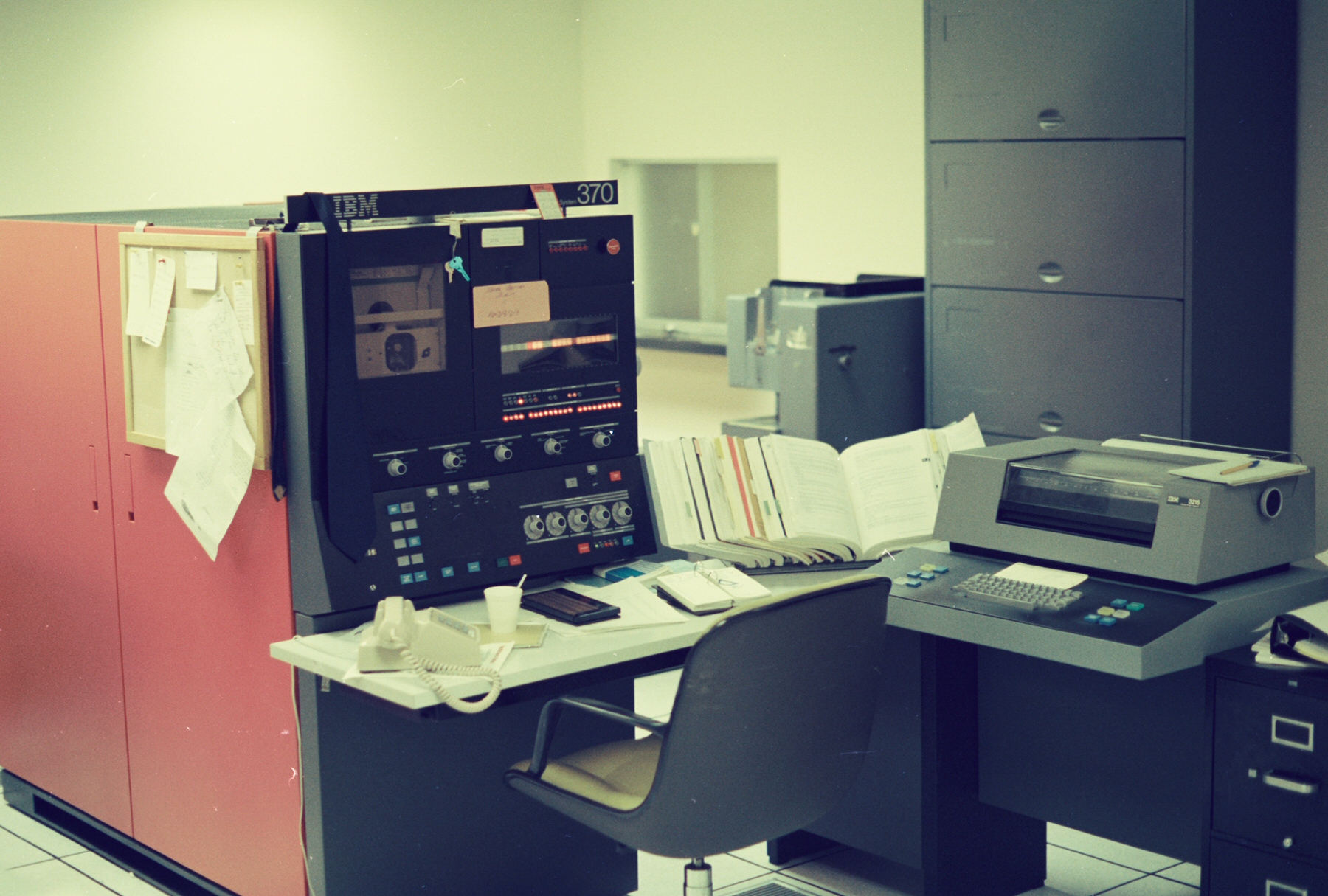
The beginning - 1976 Dow Chemical Latin American Headquarters, Coral Gables, Florida, IBM 370/135
Shutting down the processor, killing the lpars, quiesceing the sysplexes => July 29, 2016 -
Georgia Department of Labor, Atlanta, Georgia, Mainframe shutdown.
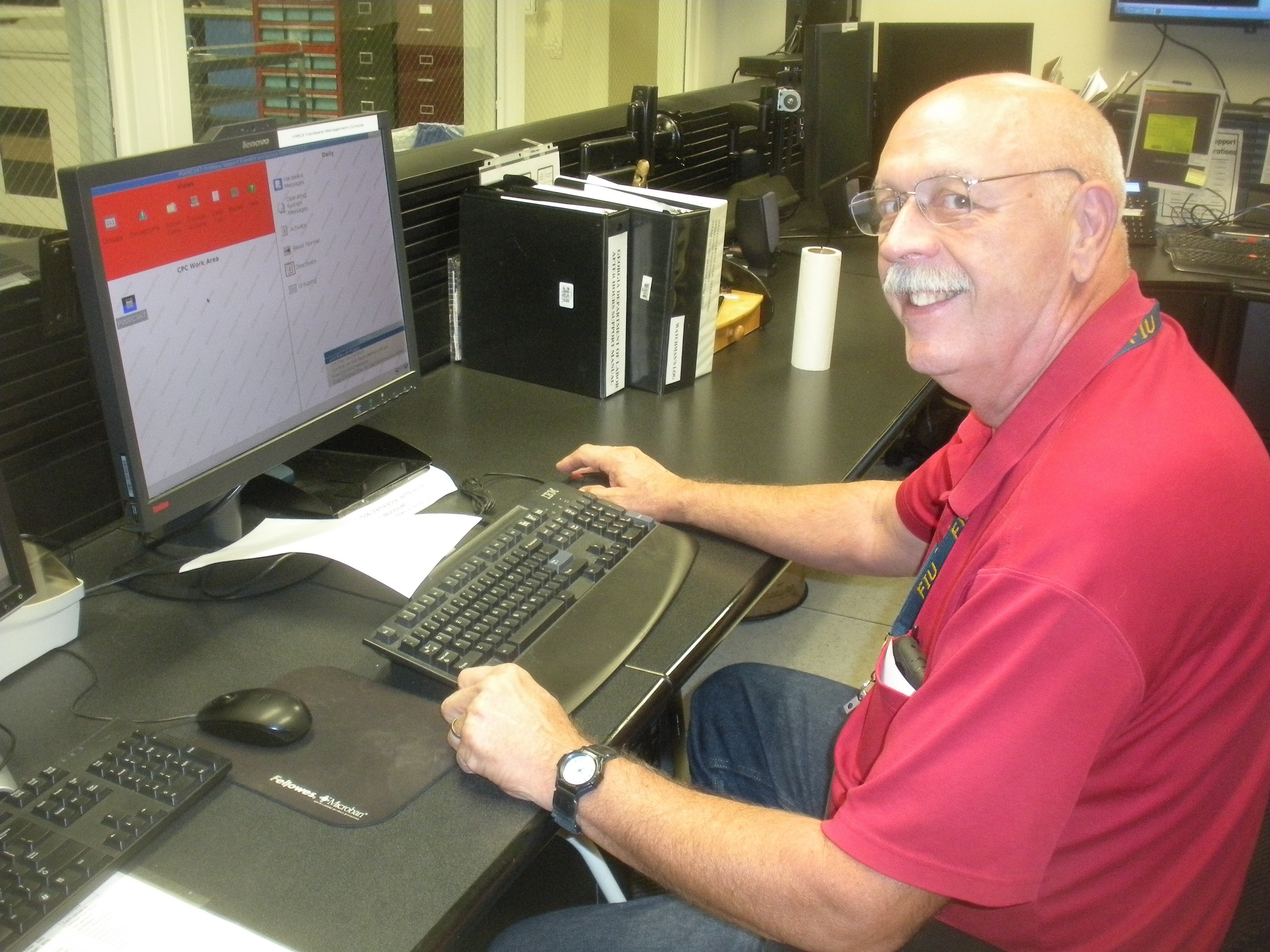
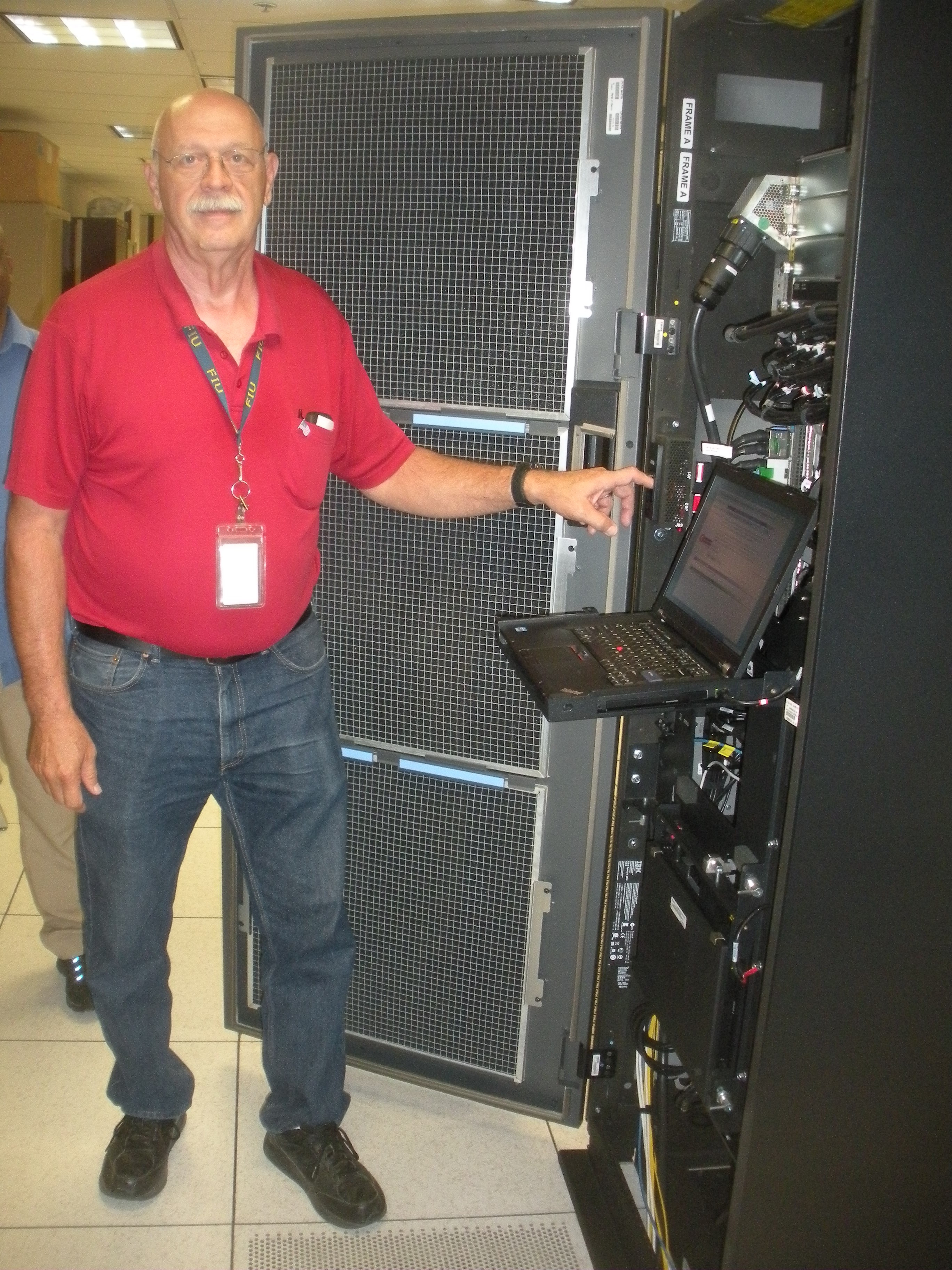
The end => July 29, 2016 - Georgia Department of Labor, Mainframe shutdown.
Created by Richard Kitz on August 26, 2026 - © 2026 Richard Kitz